
5 Rapid-Fire Engineering Tips for Smarter New Product Design
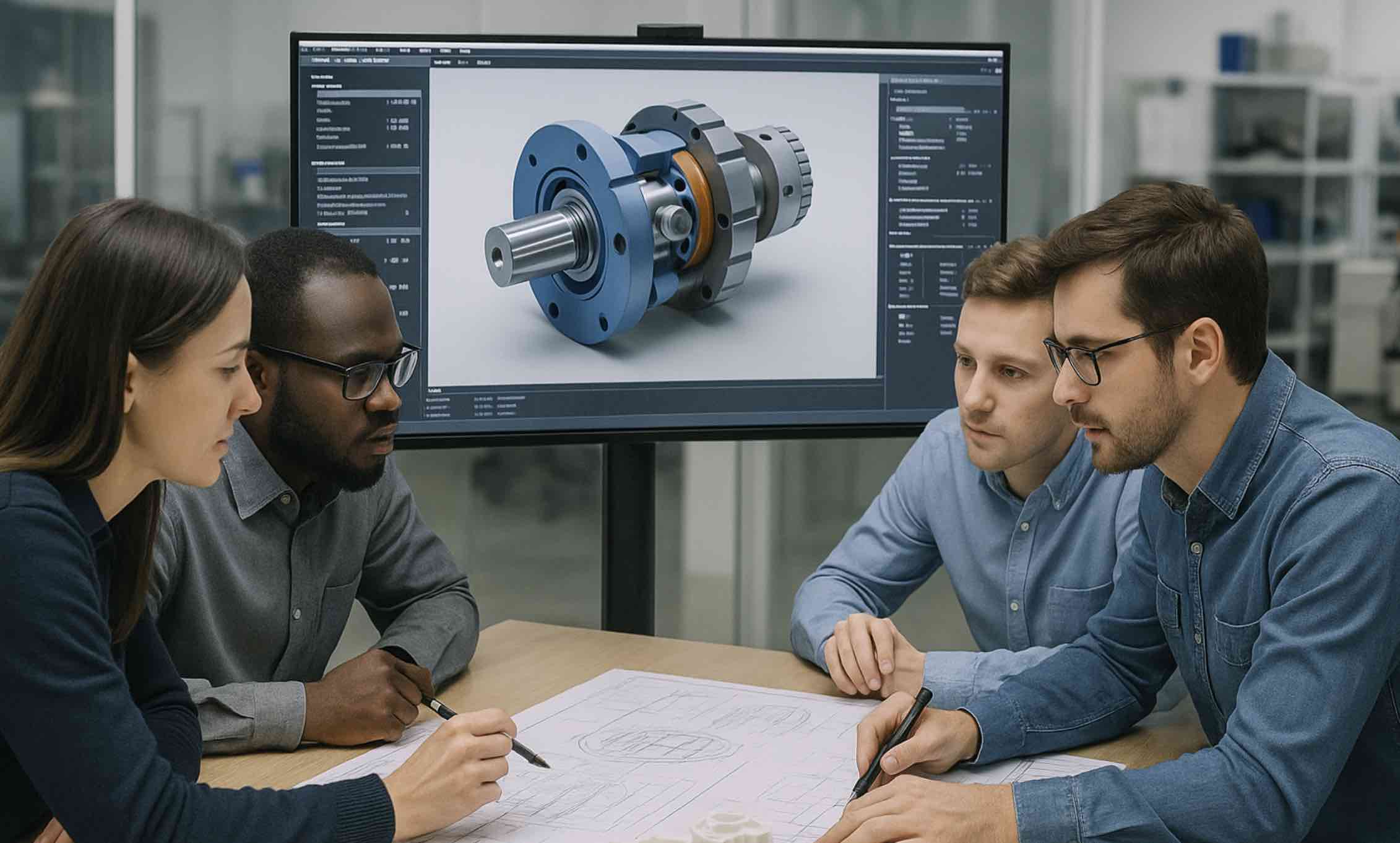
In new product design, early decisions can make a huge difference, often determining whether your project stays on schedule or spirals into costly delays. The traditional, sequential process of "design, build, test, and pray" is no longer viable in today's fast-moving markets.
Relying purely on intuition is a fast track to wasted time and budget, forcing engineers to constantly backtrack and fight fires. The key to success lies in integrating disciplined habits and powerful tools to work smarter, not just harder, thereby transforming those high-risk early stages into periods of certainty and control.
Here are five quick wins that have consistently helped our team design smarter, faster, and with fewer surprises, focusing on maximizing engineering efficiency and minimizing risk:
Five Tips for Boosting Engineering Efficiency
1. Simulate Early
Even a basic simulation is an immediate win. It can help you understand the core mechanical behavior of your new device. This early virtual prototyping allows you to correct potential design flaws—like high stress concentrations or unexpected deflections—long before you spend a dime on the first physical part.
2. Stay Curious
Don’t assume that you fully understand all the nuances of your new design. When something unexpected happens, whether in a simulation or a physical test, don’t brush it off. Use it as an opportunity to investigate. Curiosity will be your friend here; defensiveness is your enemy when pursuing engineering truth.
3. Document Design Decisions
You’ll thank yourself later if you make simple notes as to why you went down one path over another. These decisions are often self-evident in the moment, but the reasons can get lost as the project complexity increases. Good documentation supports future product validation and shields you from having to re-solve old problems.
4. Ask for Review Early
Most engineers and designers inherently hate this step, but the reality is that a second, fresh set of eyes saves time and money. We like to think that we have all the answers, but we rarely do! Early, honest review is a critical component of iterative design and helps flag oversights before they become catastrophes.
5. Prototype with Purpose
Build to learn, not just to test. Spend just a few minutes before making the next prototype to ask yourself: What are we seeking to learn? What does a successful prototype look like, and what specific performance metrics are we evaluating? You can print parts fast, but if they don’t have purpose, they end up being desk trophy dust collectors.
Ready to Work Wiser?
Smart engineering isn’t about working harder; it’s about using the tools and the data to work wiser. This focus on engineering efficiency is the true competitive advantage. Which of these tips has saved you the most time lately? We specialize in integrating these smarter processes into product development.
Contact Design Department today to leverage our expertise in virtual prototyping and iterative design.
